
Weed Control in Lawrence: The 7 Most Common Lawn Weeds and How to Stop Them
Got weeds popping up around Old West Lawrence, Prairie Park, or Pinckney? You are not alone. When it comes to weed control in Lawrence, the right strategy blends local timing, targeted products, and steady turf health. If you want help now, our team handles it start to finish with professional weed control built for Douglas County conditions.
Weeds show up for specific reasons like thin turf, stressed roots, and gaps in seasonal treatment. That is why the best results come from a coordinated plan. If you are comparing options for weed control in lawrence, the data always points to a pro approach that times treatments to our weather patterns and dominant grass types.
Why Weed Control In Lawrence Starts With Local Knowledge
Most home lawns here are cool-season blends such as tall fescue and Kentucky bluegrass, with some warm-season pockets in sunnier spots. Spring storms, hot summers, and clay-heavy soils along the river corridor push turf to its limits. Pros read those swings and tailor visits so your lawn gets what it needs, when it can use it.
Timing matters more than anything. **Pre-emergent timing is critical** for grassy weeds that germinate as soils warm, while post-emergent visits work on visible broadleaf weeds during active growth. Layer that with nutrition and soil work, and your yard holds color and density through the season.
Pre-Emergent vs. Post-Emergent: What Works In Lawrence
Pre-emergent products stop certain annual weeds before they sprout. Post-emergent products target weeds you can already see. In practice, your program blends both, with careful spacing so results are steady without stressing turf during heat waves or stormy stretches.
Here is the key idea for homeowners: **avoid blanket treatments during peak summer stress**. Smart programs tighten the window and treat surgically, which protects your grass while still knocking back pressure.
Local insight: In Lawrence, pros time spring pre-emergent based on soil temperature trends, not a fixed date. That helps catch early germination near heat-holding driveways and sidewalks. **Treat sedges with sedge-labeled products**, since they are not grasses or broadleaf weeds.
Meet The 7 Most Common Lawn Weeds In Lawrence
Below are the culprits we remove most across neighborhoods from Sunset Hill to Indian Hills. The right treatment depends on life cycle, season, and where the weed is in its growth stage.
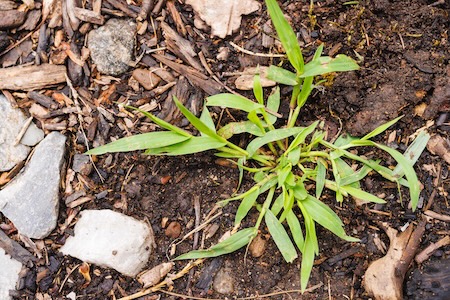
- Crabgrass — An annual grassy weed that loves thin, sun-baked edges along sidewalks and driveways. Pre-emergent plus thick turf around hardscapes keeps it in check.
- Foxtail — Another annual grassy invader that germinates as soils warm. Good edging density and a well-timed barrier make a big difference.
- Dandelions — A perennial broadleaf with deep taproots and windblown seed. Post-emergent spot treatments during active growth curb spread.
- White Clover — A persistent broadleaf that thrives where turf is hungry or thin. Balanced nutrition and selective controls bring the canopy back in line.
- Henbit — A winter annual broadleaf that shows early in spring. Season-aware timing prevents it from setting seed and returning stronger.
- Spurge — A summer annual that carpets open soil in hot weather. Dense turf cover and targeted controls limit new colonies.
- Nutsedge — A fast-spreading sedge with triangular stems that outgrows turf in heat. It needs sedge-specific treatments and steady turf thickening.
How Professional Treatments Keep Weeds From Coming Back
Stopping weeds is one part removal and one part prevention. The prevention side is where your lawn wins long term. **Thick turf is the best long-term defense** because it shades soil, fills gaps, and blocks sunlight from reaching weed seeds.
That is why our plans pair weed treatments with soil-building and growth support. For example, a steady nutrition calendar helps grass heal after stress and close up open areas before weeds do. If you want to see how timing shapes growth, take a quick look at this fertilization schedule for lawrence written for our local turf.
Narrow, compacted strips near curbs or along high-traffic sidewalks can act like weed on-ramps. Strategic soil work and smart mowing height help those edges hold line. When the canopy stays even, weeds get less daylight and fewer places to start.
The Role Of Turf Health In Weed Control
Healthy grass competes better. That is simple, but it is powerful. Professional programs coordinate nutrition, soil oxygen, and seed density so your lawn can outgrow pressure from crabgrass, clover, and other broadleaf weeds.
Two supporting services matter a lot in Lawrence:
- lawn fertilization that matches grass type, season, and local weather so growth is steady rather than surge-and-crash
- core aeration and seeding performed in cool-season windows so roots get air, water, and room to expand without inviting weed flare-ups
When these elements work together, weed treatments do not have to carry the whole load. Instead, they lock in gains made by healthier soil and fuller coverage across the yard.
Seasonal Notes For Lawrence, KS Neighborhoods
Spring along the Kansas River can flip from chilly to warm in a single week, which is when crabgrass and foxtail look for thin edges. Post-storm sunshine speeds germination on south-facing slopes and along driveways in West Hills and Prairie Park. In summer, nutsedge and spurge push hard where water collects or turf is thin.
Shaded streets in Old West Lawrence and Barker often hold cool-season color longer into early summer. That is good news for turf density, but compacted soil near busy sidewalks can still open lanes for dandelions and clover. A tuned plan balances treatments with turf support so your lawn keeps its footing season after season.
What To Expect When You Hire Total Lawn
We begin with a lawn assessment to identify weed types, density patterns, and stress points like compacted edges or shaded zones. Then we build a season-aware plan that schedules pre-emergent and post-emergent treatments alongside soil and growth support, so the lawn gains strength while weeds lose ground.
Our process is designed to be simple for you. You get clear communication, consistent visits, and measurable results that show up first along the edges and thin spots. If your yard needs extra attention after heavy weather or unusual growth, we adjust the plan so momentum stays on your side.
Here are a few guiding truths we use across Lawrence and surrounding communities:
Use the right product for the right plant family. Grasses, broadleaf weeds, and sedges respond to different active ingredients and timing. Matching product and timing prevents frustration and avoids turf stress.
Prevention That Pays Off
Think of your lawn like a team. Weed treatments play defense. Nutrition, soil care, and density play offense. When both sides do their job, your yard wins more games with less drama. That is the goal in neighborhoods from Indian Hills to Pinckney and everywhere in between.
When you pair targeted weed treatments with balanced nutrition, the canopy gets thicker and color stays more even between visits. That makes each follow-up easier and more effective. It also protects your landscape beds, where weeds often try to hop the curb into turf.
Ready For A Weed-Free Lawn In Lawrence?
If you want a lawn that looks clean at the curb and even across the yard, we can help. Read how our program works on the weed control page, then call 913-961-7750 to schedule a visit. With Total Lawn, you get a local team that builds plans for our weather, our soils, and your goals.
Book Your Lawn Care Service In Lawrence Now for a Beautiful Yard!