

How Often Should You Mow Your Lawn in Lawrence, KS?
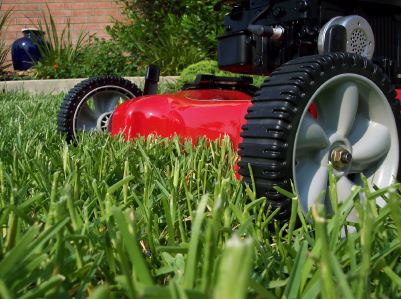
Wondering how often to mow in our corner of Douglas County? The short answer is that mowing frequency should follow your grass type, recent weather, and the time of year in Lawrence, KS. If you want a schedule that protects turf health and curb appeal, partnering with professional lawn mowing is the safest way to keep growth steady without stressing the lawn.
Most home lawns around Old West Lawrence, Pinckney, Prairie Park, and Sunset Hill are cool-season blends that surge in spring and fall, then slow down in summer heat. That rhythm is the key to timing your cuts so your lawn stays thick, green, and uniform.
What Drives Mowing Frequency in Lawrence, KS
Three levers set your mowing rhythm: grass species, growth rate, and recent weather. Pros in Lawrence adjust schedules as these levers shift, rather than sticking to a rigid calendar.
- Grass species matters: Tall fescue likes a higher cut than Kentucky bluegrass. Bermuda and zoysia prefer lower heights when they are the main turf in sunnier pockets.
- Growth rate changes fast after spring rains, cool fronts, or heat waves. Expect weekly cuts in April–May and September–October, and lighter cycles during July heat.
- Storm tracks along the Kansas River can compress growth spurts. After a mild, wet week, lawns in Barker or Oread may add noticeable height in just a few days.
Best Mowing Height for Common Kansas Grasses
Healthy height ranges protect roots, shade soil, and keep color even between visits. Here are the ranges local pros aim for across Lawrence neighborhoods:
- Tall fescue: 3 to 4 inches
- Kentucky bluegrass: 2.5 to 3 inches
- Bermudagrass: 1 to 2 inches
- Zoysiagrass: 1 to 2.5 inches
Cutting inside these bands reduces stress and helps your lawn ride out summer heat. It also limits weeds that love thin, scalped spots near sidewalks and driveways.
A Practical Mowing Schedule for Northeast Kansas
Lawrence lawns do best when the schedule flexes with the seasons:
Early to mid-spring: Growth picks up fast as soil warms. Expect a roughly weekly rhythm in March’s final weeks through May, especially in shaded blocks near campus where cool-season grass thrives.
Summer: When heat pushes into the 90s, cool-season lawns slow down. Biweekly can work during hot, dry stretches, then return to weekly after fronts bring rain and cooler nights.
Early fall: This is prime growing time. That same steady weekly pace helps lawns thicken before winter dormancy across neighborhoods from North Lawrence to Indian Hills.
Signals It Is Time to Mow Sooner
You do not need a calendar alert when your lawn is already showing clear signs. Pros move a visit up when they see these patterns together:
Seedheads rising above the canopy, a shaggy border along curbs and beds, and footprints that linger in late afternoon all point to a lawn that is growing past its comfort zone. Adjusting the next visit prevents stress and keeps the surface even for play and pets.
How Weather Shifts in Lawrence Change Your Plan
Our fast-changing forecasts matter. A cool, rainy week along the river corridor can jump-start growth, while a hot, breezy stretch can slow it to a crawl. The smartest schedules in Lawrence float between weekly and biweekly based on last week’s weather, not last year’s habit. That is why many homeowners rely on a managed plan that tracks local swings and books service at the right pace.
Nutrition also nudges growth. If your fertilization is timed well, the lawn fills in without surge growth. For a season-by-season look at how feeding affects your mowing rhythm, skim this fertilization schedule for Lawrence.
Why Cutting Height and Timing Protect Turf Health
Keeping the canopy at a healthy height shades soil, supports deeper roots, and steadies color. Pros also follow the one-third rule to limit stress during peak growth. That approach reduces weeds, improves resilience after summer heat, and helps new seed establish in fall.
If you want the same predictable results without juggling weather, growth, and timing, consider a maintained plan with weekly mowing service during peak seasons and flexible intervals during heat.
Neighborhood Notes Across Lawrence
Old West Lawrence and Barker often have dense tree cover. Lawns there may need shorter intervals in late spring when filtered sun drives steady growth. Prairie Park and West Hills have sunnier lots that warm quickly, so they may speed up after rain, then ease during hot spells. Along busier sidewalks near Oread, high foot traffic can compact edges and make uniform height even more important for a crisp look.
Consistency beats catch-up. Regular visits keep your lawn even, so you avoid big swings that lead to clumping, scalping, or color dips after a long gap.
Choosing a Pro Team in Lawrence, KS
Look for a crew that understands our microclimates, monitors growth between visits, and sets height by species. A reliable service will also coordinate mowing with other care so the lawn stays thick and stress-free through summer.
Homeowners searching for lawn mowing Lawrence, KS value a partner who brings timing, equipment, and local insight together. That way your yard looks sharp on game days, block parties, and everyday evenings on the patio.
Ready For A Lawn That Looks Good Every Week?
Your lawn should feel easy. With Total Lawn, you get a steady plan that follows Lawrence weather and your grass type, so you enjoy a thick, clean cut without extra worry. When you are ready for a schedule that fits your yard, reach out at 913-961-7750 or learn how our team keeps lawns healthy with thoughtful timing on our lawn mowing page.
Book Your Lawn Care Service In Lawrence Now for a Beautiful Yard!